
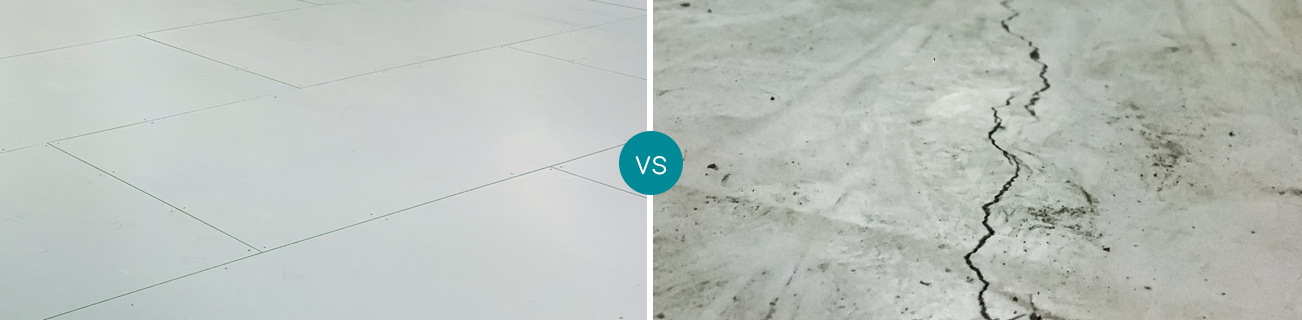
When planning a new mezzanine, concrete is often the first flooring option that comes to mind. It’s familiar, widely used, and has long been considered the standard for elevated work platforms.
But today’s warehouses, distribution centers, and automated facilities have different priorities than they did a decade ago.
Flooring decisions now affect much more than the surface people walk on. The right floor can influence structural costs, installation schedules, automation performance, worker comfort, and long-term maintenance requirements. That’s why more project teams are evaluating alternatives to concrete flooring before finalizing their mezzanine designs.
One of the most common concrete flooring alternatives is ResinDek® flooring, an engineered flooring panel specifically designed for industrial mezzanines and material handling environments.
Why Look at Alternatives to Concrete Flooring?
Concrete certainly has advantages, but it also comes with tradeoffs that aren’t always obvious during the early stages of a project.
Because concrete is heavy, it affects the entire mezzanine structure. It often requires additional steel, larger footings, and more labor during installation. It also introduces construction activities such as pouring, finishing, and curing that can extend project timelines.
When comparing alternatives to concrete for mezzanines, it’s important to evaluate more than just the flooring material itself.
Consider factors such as:
- Structural requirements
- Installation time
- Surface performance
- Maintenance needs
- Employee comfort
- Automation compatibility
- Future flexibility
Looking at the entire platform rather than simply the floor surface often provides a clearer picture of total project cost and long-term value.
Looking Beyond Material Cost
A common mistake in mezzanine planning is comparing flooring options solely on a cost-per-square-foot basis.
While material cost is important, it represents only one piece of the overall project budget.
When evaluating ResinDek vs. concrete, it is helpful to consider:
- Flooring materials
- Structural steel
- Footings
- Installation labor
- Freight
- Equipment and rigging
- Construction timelines
- Long-term maintenance
Because concrete adds substantial weight, it can increase costs throughout other parts of the project.
As a result, the flooring material with the lowest purchase price does not always result in the lowest installed cost. Evaluating the complete mezzanine system often provides a more accurate comparison.
Can ResinDek Speed Up Construction?
In today’s fast-moving supply chain environment, speed matters.
Concrete installation requires multiple steps, including placement, finishing, and curing before other work can continue. These activities add time to the construction schedule and require coordination among multiple trades.
Engineered mezzanine flooring panels offer a different approach. Because ResinDek panels arrive with a factory-finished surface, installation can move forward without the delays associated with concrete curing. This can help streamline construction and allow subsequent project phases to begin sooner.
Potential benefits include:
- Faster floor installation
- Reduced construction complexity
- Earlier rack installation
- Faster equipment deployment
- Quicker operational startup
For facilities under pressure to expand capacity or bring automation online, saving several weeks can have a meaningful impact on project success.
How Comfortable Is ResinDek Compared to Concrete?
Flooring affects more than equipment. It also affects the people who work on it every day. Employees in warehousing and fulfillment operations often spend hours walking, standing, picking, and moving products during a shift. Over time, the characteristics of the floor can influence overall comfort.
Research has shown lower tibial shock measurements on ResinDek flooring compared to concrete during walking studies, suggesting a more resilient surface underfoot.
While flooring is only one component of workplace ergonomics, it can contribute to a more comfortable work environment when combined with:
- Proper footwear
- Ergonomic workstations
- Efficient workflows
- Appropriate material handling equipment
As labor recruitment and retention continue to challenge many facilities, employee comfort remains an important consideration.
What About Maintenance?
The true cost of a floor extends well beyond installation.
Over time, maintenance expenses can have a significant impact on total ownership costs.
Concrete floors may require:
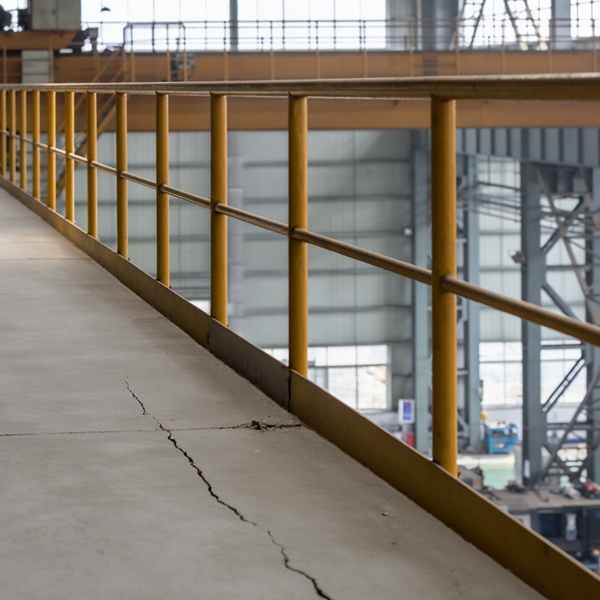
- Crack repairs
- Patching
- Surface refinishing
- Sealing
- Dust control
These activities can increase maintenance costs and, in some cases, disrupt daily operations.
When evaluating low-maintenance mezzanine flooring, facility managers should consider not only routine maintenance but also how easily the floor can be repaired or modified in the future.
ResinDek’s panelized design allows individual panels to be serviced or replaced when necessary, providing flexibility that can be valuable as facilities evolve.
Is ResinDek the Right Alternative to Concrete Flooring?
There is no single flooring solution that works for every mezzanine project. Structural requirements, operational goals, budgets, and application needs all play a role in the final decision. However, for many warehouses, distribution centers, and automated facilities, ResinDek flooring offers compelling advantages over traditional concrete floors.
Key benefits include:
- Up to 90% less weight than concrete
- Reduced structural demands
- Faster installation
- No curing requirements
- Consistent factory-finished surface
- Support for robotics applications
- Low-maintenance performance
- Long-term operational flexibility
The most successful projects evaluate alternatives to concrete flooring early in the planning process. Doing so gives project teams more opportunities to optimize cost, schedule, performance, and future adaptability.
If you’re planning a new mezzanine, elevated work platform, or automation project, comparing ResinDek vs. concrete before finalizing the design can help ensure the flooring system supports both today’s requirements and tomorrow’s growth.
Ready to Learn More?
The right flooring choice today can help protect operational performance, minimize future maintenance concerns, and deliver long-term value for years to come.